





At Center Hočevar, we do not view the oral cavity as an isolated part of the body. The teeth, periodontal tissues, jawbone and materials used in treatment are all part of the same biological system.
Our goal is therefore not merely to address an individual symptom or improve the appearance of a smile. We plan every treatment with a broader perspective, taking into account natural anatomy, the health of surrounding tissues, the body’s capacity to heal and long-term biological balance.
Dr Gregor Hočevar defines this approach through three golden rules of treatment.

1. We preserve the vitality of natural teeth
A natural tooth is not simply a hard structure. It is a living organ with its own blood supply, nerve function and biological role.
Whenever clinically justified and beneficial in the long term, we aim to preserve the vitality of the tooth and as much healthy dental tissue as possible. Early detection, precise diagnostics and a minimally invasive approach are essential to achieving this.
Preserving a natural tooth, however, does not mean maintaining it at any cost. Existing fillings, crowns and other dental restorations may gradually lose their seal, stability or function. Each situation is therefore assessed individually and within the context of the complete clinical picture.
When an existing solution can no longer be maintained safely and predictably, we replace it with an option that better supports tissue health, proper function and long-term stability.
2. We identify infections and biological burdens
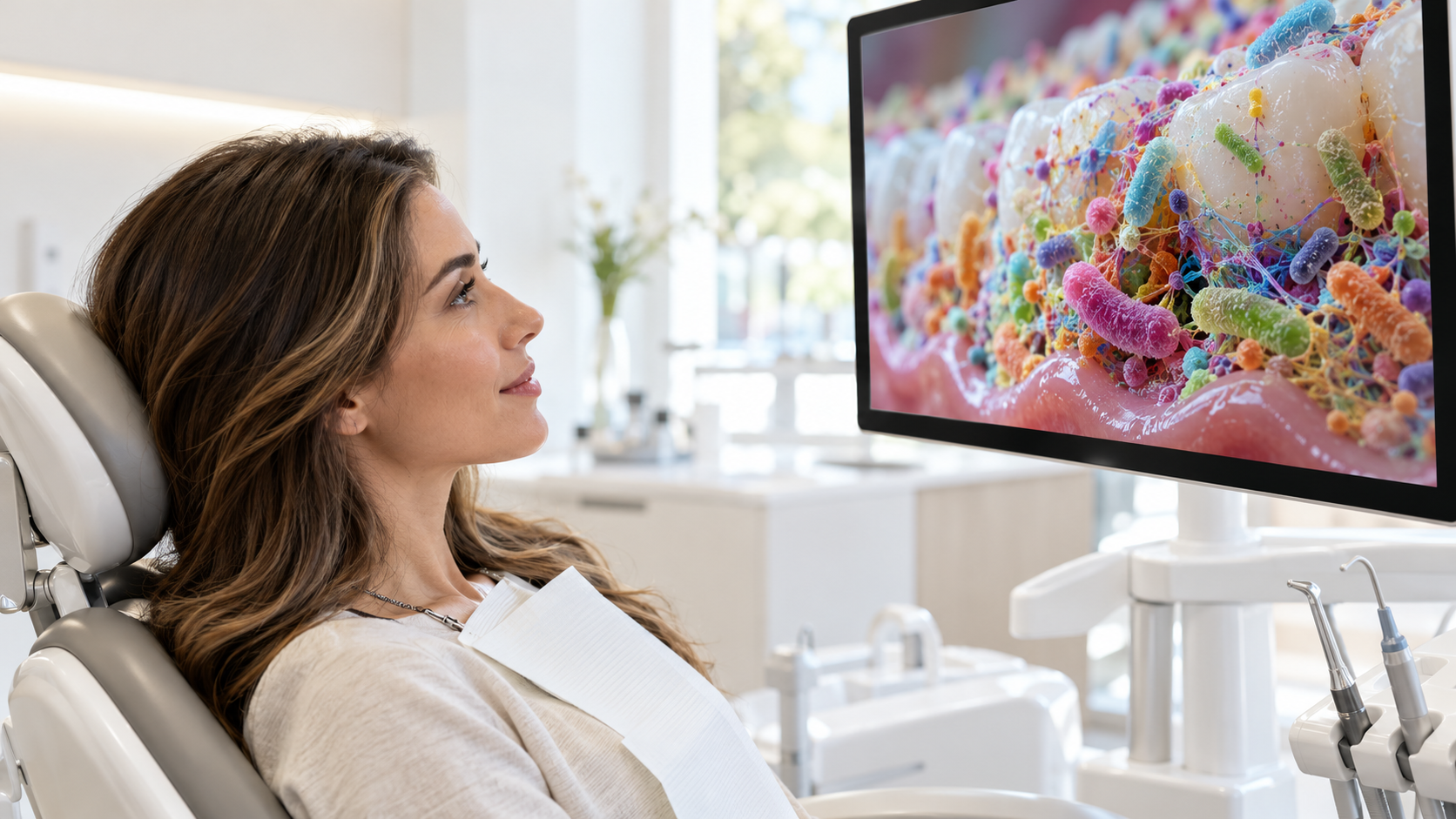
Changes in the oral cavity are not always painful or immediately visible. Certain inflammatory processes may progress for a long time without obvious symptoms, which is why precise diagnostics are one of the most important foundations of high-quality treatment.
During the examination, we do not focus solely on an individual tooth. We also assess the periodontal tissues and jawbone, possible chronic inflammatory processes, the quality of existing fillings, crowns and other dental restorations, the materials present in the oral cavity and the function of the bite.
By combining a thorough clinical examination with appropriate imaging, we can identify areas that require treatment, the removal of a biological burden or careful long-term monitoring.
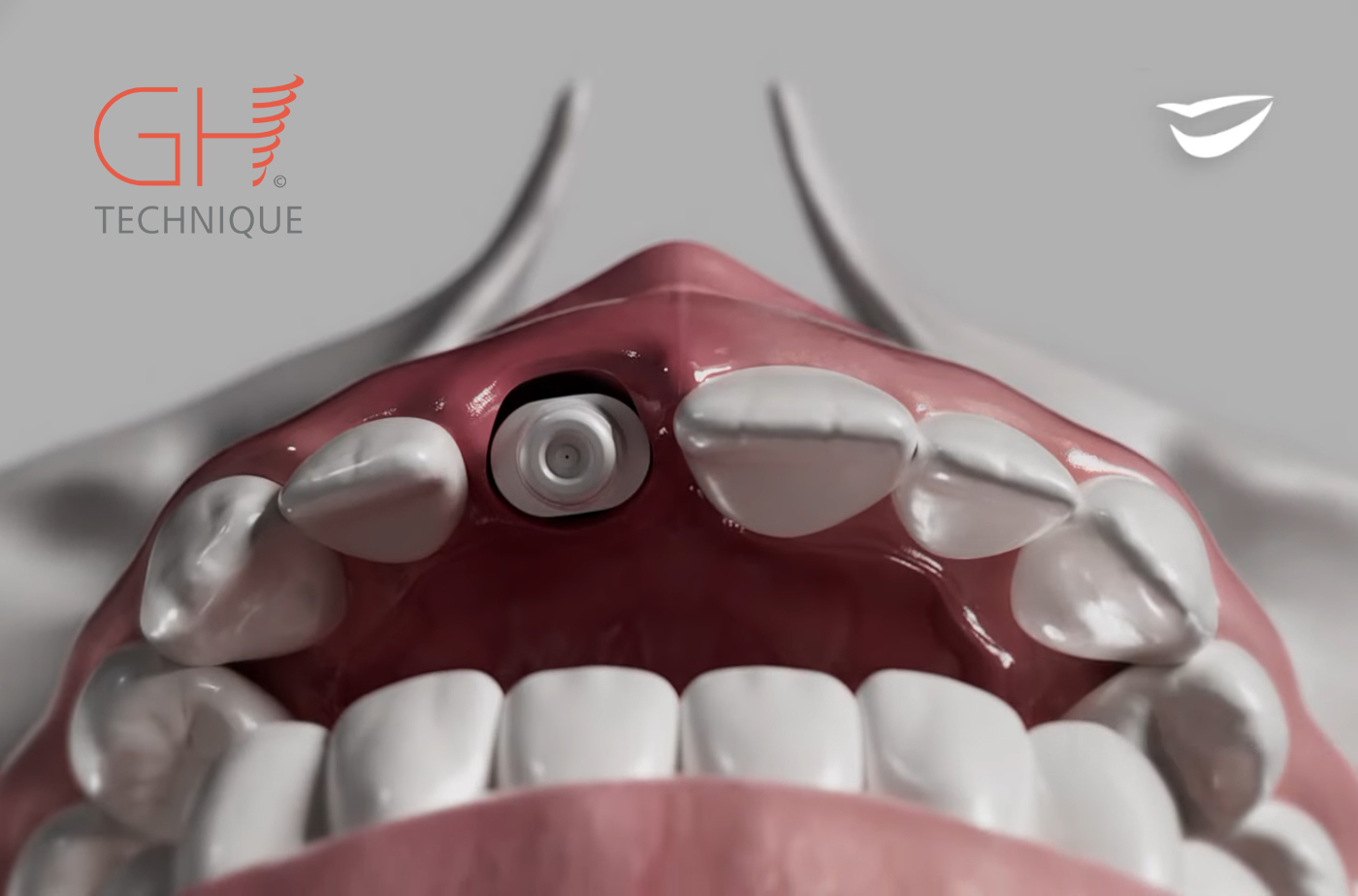
When the removal of a material, filling, crown, other dental restoration or tooth is clinically justified, the procedure is planned carefully and performed as gently as possible. If a natural tooth can no longer be preserved, it may, in suitable cases, be replaced with a ceramic implant.
The decision is never based solely on the type of material. It is guided by the condition of the tissues, function, anatomy and the individual needs of the patient.
3. We support balance and the body’s capacity to heal
Successful treatment does not begin and end in the dental chair. It is equally important to consider how well the body is prepared for the procedure and how it is likely to respond afterwards.
Healing is influenced by general health, the presence of inflammation, nutritional support, lifestyle and a range of individual biological factors. For this reason, treatment planning takes into account not only the condition of the oral cavity, but also the patient’s broader health profile.
When appropriate, selected biological markers may be used to further assess the body’s readiness for treatment and to recommend suitable support before the procedure and throughout the healing process.
The purpose of this approach is not to search for one universal solution. It is to create a carefully considered, individual treatment plan that supports predictable outcomes, high-quality tissue regeneration and long-term stability.
One system. One balance.
The three golden rules are not merely individual steps within a specific procedure. They represent a way of thinking that guides the entire treatment process.
- To preserve what is healthy.
- To identify and remove what places a burden on the body.
- To create the conditions in which tissues can heal properly and remain stable over time.
Such an approach requires precise diagnostics, carefully selected materials, personalised care and respect for the biology of every patient.