






Understanding comes first. Then comes the decision.
At Center Hočevar, we believe that being well informed is an essential part of every treatment. Before undergoing a procedure, patients should understand their condition, the proposed treatment options, what the procedure involves, and what the next steps will be.
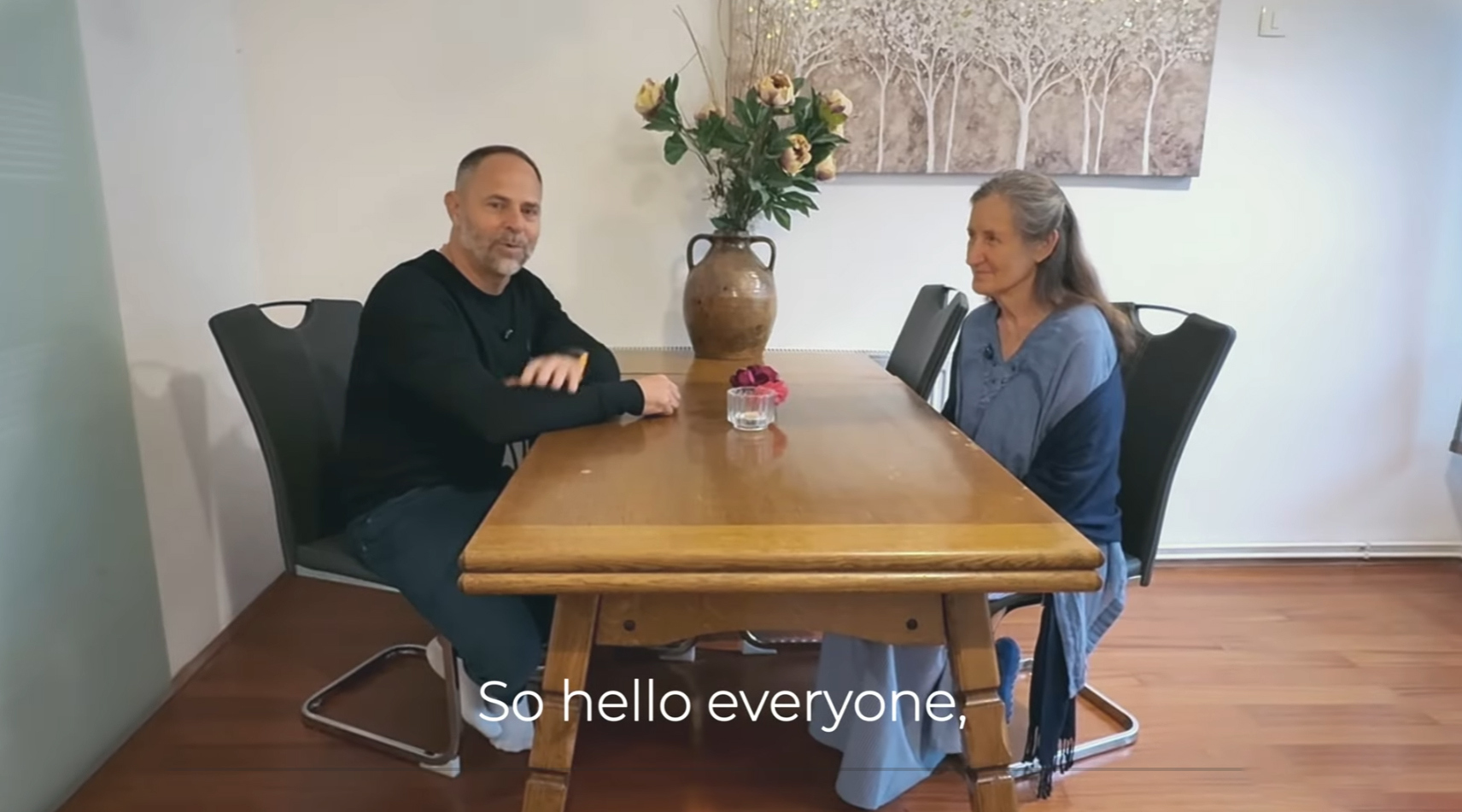
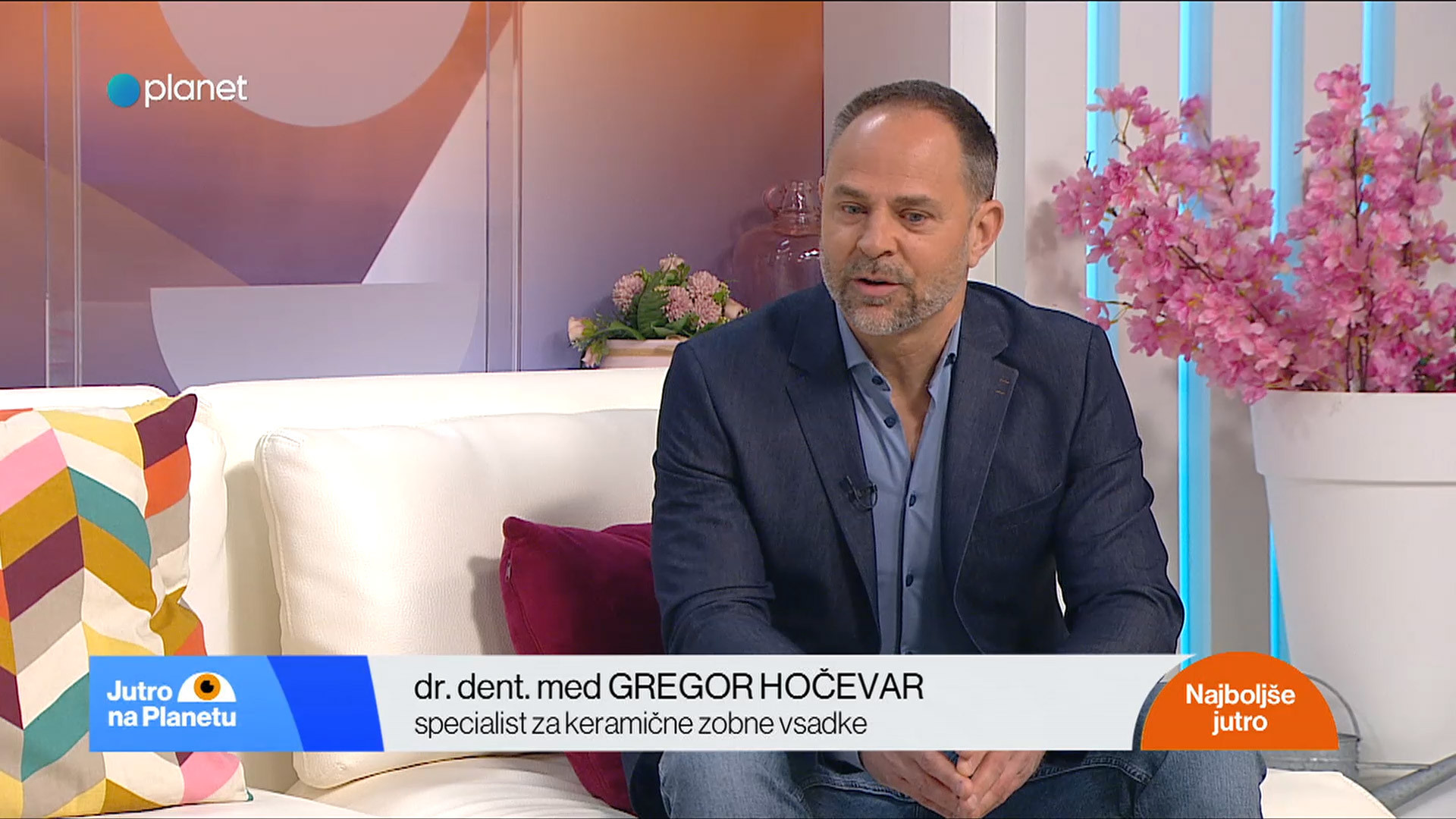
That is why we place great emphasis on clear and understandable communication with our patients – from the initial examination and diagnostics to treatment planning and the procedure itself.

Before the procedure
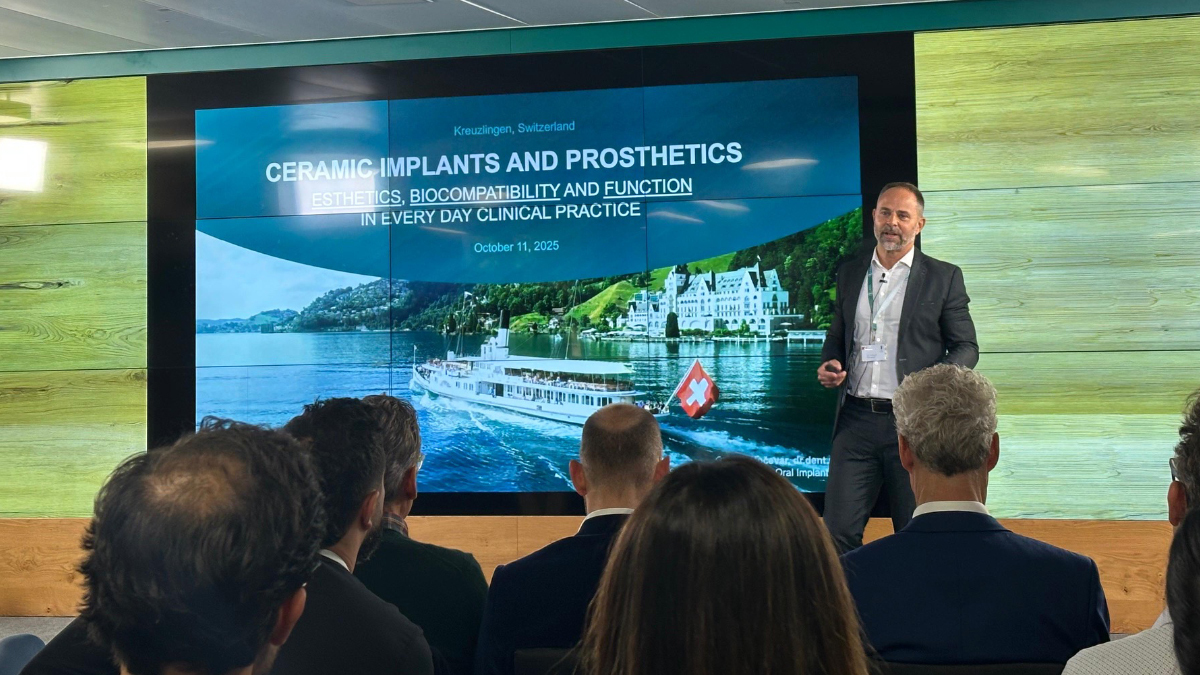
Before every procedure, the dentist clearly explains the findings, recommended treatment, what the procedure involves, and the available options. It is important that patients understand why a particular treatment is being recommended, what they can expect, and how each stage of the treatment will proceed.
Patients are also encouraged to ask questions and seek further clarification. This allows them to make decisions about their treatment based on clear and relevant information.
Information beyond the dental chair
No brochure can replace a personal conversation with a dentist. It can, however, help patients explore a particular topic in greater detail, revisit important information at their own pace, or prepare for their next conversation with the dental team.
Throughout Center Hočevar, patients can therefore find informational brochures, leaflets, and other educational materials covering key topics in biological dentistry, diagnostics, and different treatment options in a clear and accessible way.
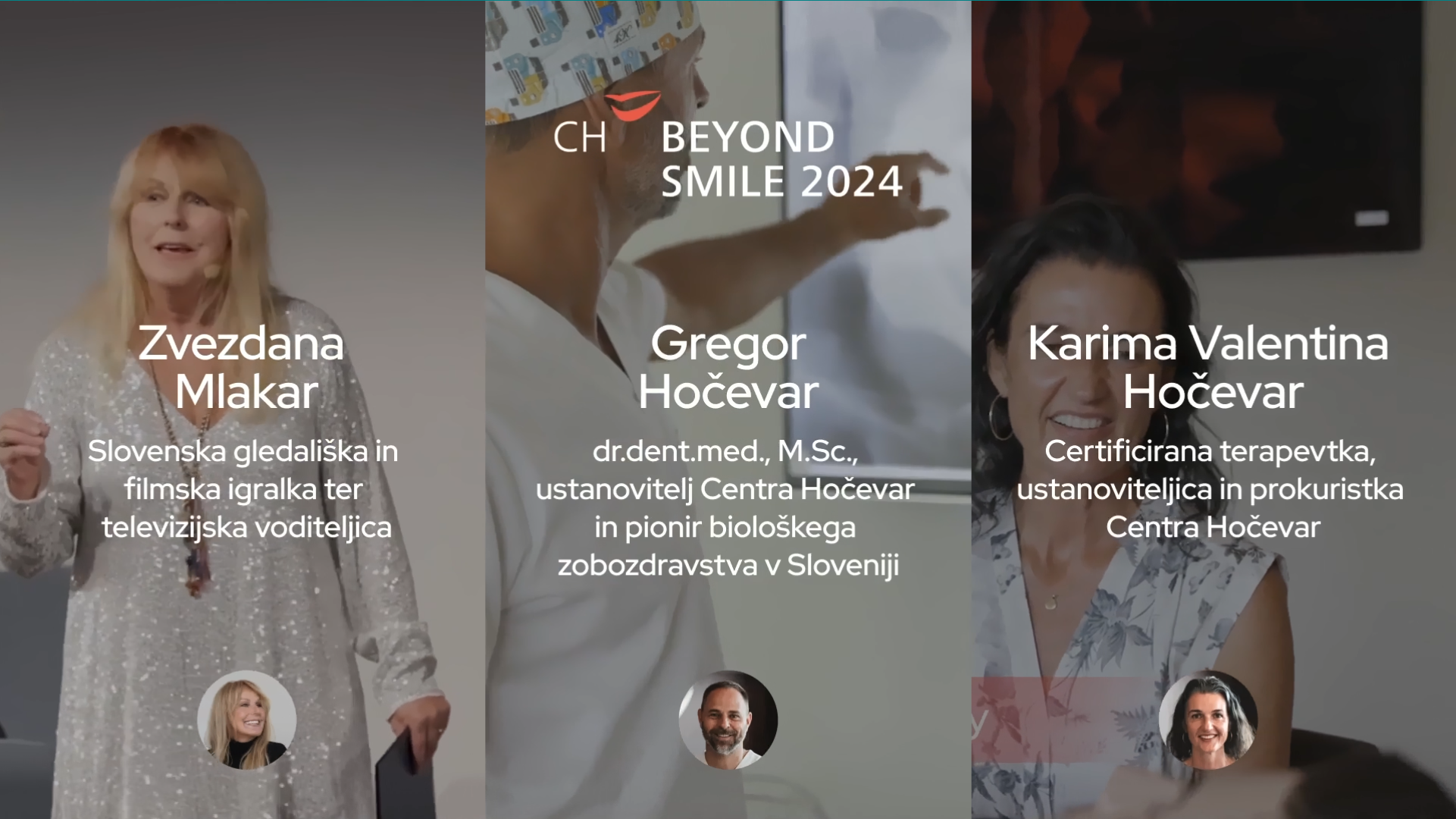
Patient education is part of the entire experience at our center – from the moment a patient enters our premises to the consultation with the dentist and the decisions that follow.
Good decisions require the right context
Our goal is not simply to provide patients with a treatment recommendation. We want them to understand their condition, their options, and the reasoning behind each step, so they can make informed and considered decisions about their treatment.


